
What Are You Looking For?

How To Customize A Satisfying Sculpture
Jan 14, 2026Custom sculptures are more than just decorative pieces; they are a combination of art, engineering, and craftsmanship. For B2B clients looking to elevate their spaces—be it hotels, commercial buildings, or public installations—choosing the right sculpture and manufacturer is crucial. At our factory, we specialize in turning your creative vision into a high-quality, durable sculpture that meets both artistic and functional requirements.
In this blog, we will walk you through the entire process of customizing a sculpture, step by step, from initial consultation to final installation. This guide is ideal for businesses, architects, interior designers, and project managers seeking reliable B2B manufacturing solutions.
Step 1: Project Requirement Clarification
Key considerations include:
Application: Indoor, outdoor, commercial, or private space
Material: Stainless steel, fiberglass (FRP), bronze, resin, wood,or mixed media
Style: Modern, abstract, figurative, or IP-based design
Size: Small-scale table sculptures to large public art installations
Budget & Timeline: Clear expectations ensure a smooth workflow
Why this step matters:
Miscommunication at this stage can lead to costly errors in design, material choice, or production. By defining the project clearly, we ensure that the final sculpture aligns perfectly with your space, brand, and functional requirements.
Step 2: Concept Design & Reference Collection
Once requirements are clarified, we move on to concept design. This stage transforms your ideas into visual references and sketches.
What we need from clients:
Hand-drawn sketches, inspiration boards, or reference images
Optional 3D files if available
What we provide:
Professional concept sketches or digital renderings
Feasibility evaluation for structure, weight, and manufacturing constraints
Recommendations for materials and surface finishes
Tip:
Providing multiple reference images helps our designers understand the artistic vision and functional constraints, ensuring designs that are both aesthetically pleasing and manufacturable.
Step 3: 3D Modeling & Technical Drawings
After finalizing the concept, we create high-precision 3D models and technical drawings.
Benefits of 3D modeling:
Visualize the sculpture from all angles
Assess structural integrity and balance
Plan for transportation and installation
Technical drawings include:
Dimensions, sections, and assembly details
Material thickness and surface finish specifications
Mounting and installation instructions
Case Study:
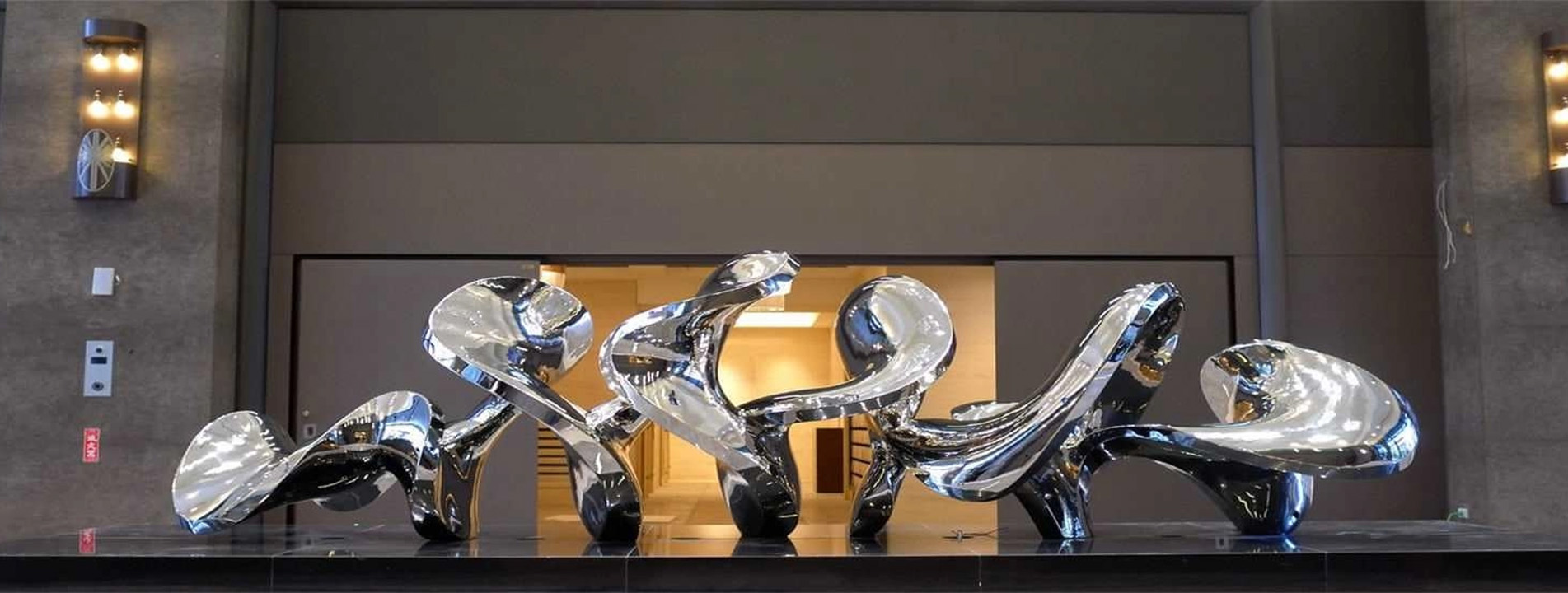
A client requested a 3-meter tall abstract stainless steel sculpture for their hotel lobby. By using 3D modeling, we were able to identify structural weaknesses early and reinforce the internal frame, avoiding costly onsite modifications.
Step 4: Material & Surface Finish Selection
The material choice determines both the durability and aesthetic appeal of the sculpture.
Common materials:
Stainless Steel (304 / 316): Durable, corrosion-resistant, ideal for outdoor use
Fiberglass (FRP): Lightweight, versatile, perfect for large or complex forms
Bronze / Resin: Traditional finish, excellent for high-end luxury projects
Surface finishes:
Mirror polish, brushed, or sandblasted stainless steel
Painted or hand-textured finishes for fiberglass or resin
Mosaic or ceramic tiling for decorative accents
Tip:
For outdoor sculptures, always consider weather resistance, UV protection, and corrosion prevention.
Step 5: Quotation & Production Schedule
Once materials and design are approved, we provide transparent quotations and production timelines.
What the quotation includes:
Material cost breakdown
Labor and craftsmanship fees
Shipping and packaging
Optional installation services
Timeline:
Small sculptures (≤1m): 10–20 days
Medium sculptures (1–3m): 20–35 days
Large or complex projects: 35–60 days
Tip:
Always set clear milestones for deposit, production, and final payment to avoid delays.
Step 6: Prototype Approval
For high-value or large-scale projects, we create prototypes or samples.
Purpose of prototypes:
Confirm color, texture, and surface finish
Test structural integrity
Ensure size and proportion accuracy
Process:
Small-scale model (maquette) or partial prototype
Client review with photos or video confirmation
Adjustments based on feedback
B2B Tip:
Prototypes reduce risk of errors in large-scale installations and improve client satisfaction.
Step 7: Full Production & Quality Control
Production begins once the prototype is approved.
Quality control measures include:
Multi-stage inspection: welding, surface finish, and structural stability
Documentation for each step
Step 8: Packaging, Shipping & Installation Guidance
Proper packaging ensures sculptures arrive safely and without damage.
Packaging options:
Custom wood crates
Shock-absorbing padding
Installation support:
Detailed diagrams and instructions
Onsite consultation if needed
Remote guidance via video for international clients
Tip:
For delicate surfaces, consider protective coatings during shipping.
Step 9: After-Sales Support & Maintenance
Our service extends beyond delivery.
Maintenance guidance includes:
Cleaning frequency and materials
Protection from environmental damage
Long-term care for outdoor installations
FAQ
Q1: Can I change the design after production starts?
A1: Minor adjustments can be made during early production, but significant changes may require re-prototyping.
Q2: What is the maximum size you can manufacture?
A2: We specialize in sculptures up to 10 meters tall, with custom transportation and installation planning.
Q3: How long does the entire process take?
A3: From initial consultation to delivery, small projects take ~4 weeks, while large-scale projects may take 2–3 months.
Conclusion & CTA
Custom sculptures elevate spaces, impress clients, and create lasting impressions. By partnering with an experienced B2B sculpture manufacturer, you ensure quality, durability, and artistic excellence.
If you are ready to start your project, contact us today to discuss your ideas and receive a customized quote.
Common Sculpture Materials We Use
Lightweight, durable, cost-effective
Suitable for large-scale and complex shapes
Ideal for indoor & outdoor commercial projects
2. Stainless Steel (304 / 316)
Excellent corrosion resistance
Mirror polished, brushed, or matte finish
Widely used for outdoor public art and landmarks
3. Resin / Composite Materials
High detail reproduction
Flexible surface finishing options
Suitable for decorative and themed sculptures
4. Bronze / Metal Casting
Classic and timeless material
High-end artistic and public art projects
Suitable for long-term outdoor installation
Natural, warm, and handcrafted aesthetic
Commonly used woods: teak, oak, pine, beech